A warm afternoon can make a freezing overnight forecast easy to overlook. When a cold snap is headed toward Boerne, focus on three jobs: confirm that your heat works, protect vulnerable water lines, and make a plan to spot trouble as temperatures rise again.
This Boerne cold snap checklist is for the days immediately around a freeze. If you are planning routine seasonal upkeep, start with our fall home prep checklist. Here, the priority is getting your house through the next stretch of freezing weather.
Before the freeze: check the forecast for your address
Look at the expected overnight low and how long temperatures may stay below freezing. A brief chilly evening and a prolonged freeze need different responses. Do not use a warm daytime reading or a regional seasonal outlook as reassurance that exposed plumbing is safe.
For Boerne and nearby Kendall County homes, save the City of Boerne’s winter weather resources. The page connects residents with weather updates, local alerts, road conditions, and utility outage information. If another provider serves your address, save that provider’s outage number and water-use instructions too. Having these details ready matters if you lose internet access or cannot safely drive for supplies.
Switch from AC to heat before bedtime
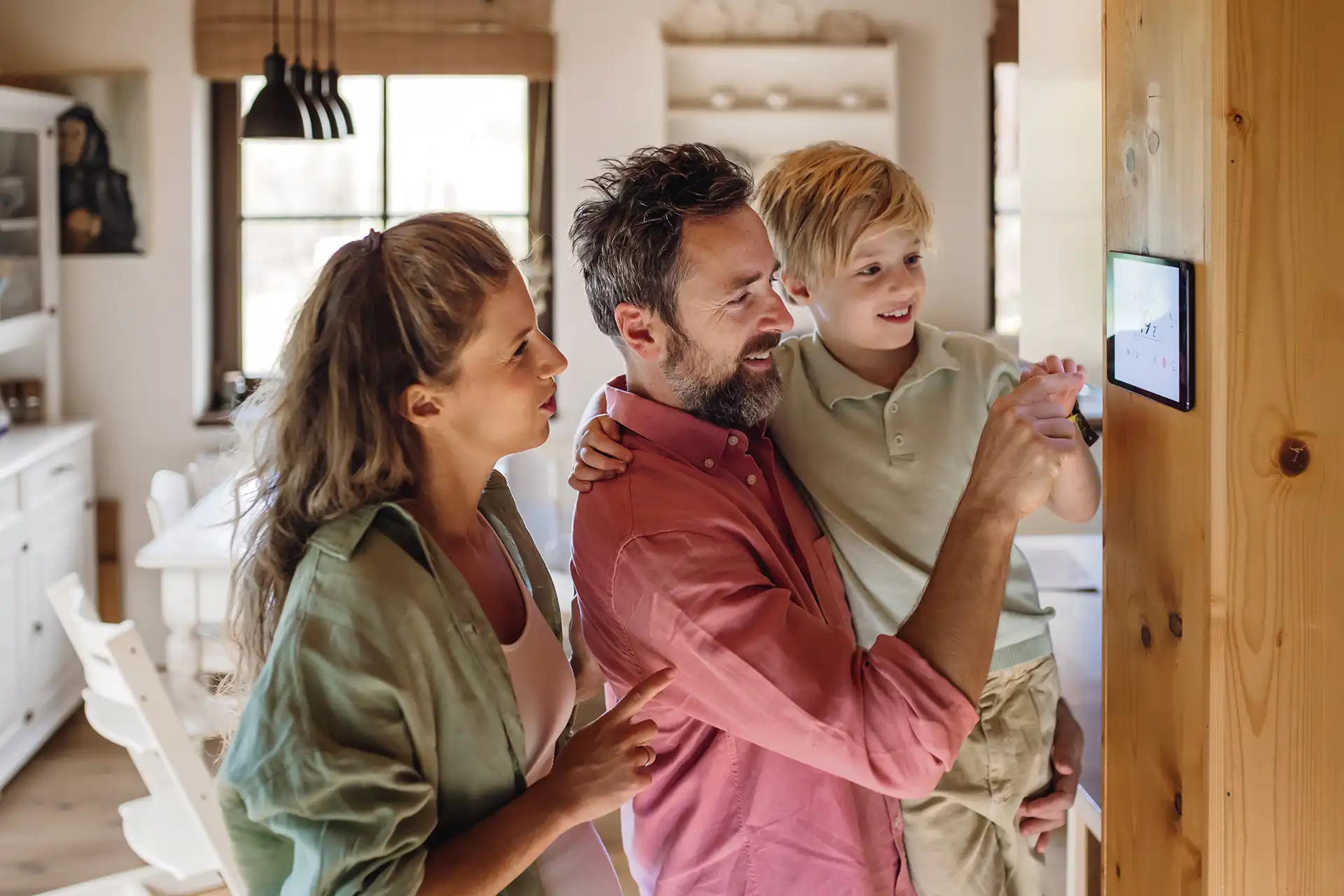
You do not need a calendar date or a particular outdoor temperature to change modes. Switch to Heat when the house needs warmth, and test it while you are home and awake. Set a comfortable target above the current room temperature, review the programmed schedule, and allow the equipment’s normal startup delay.
- Let a cooling cycle finish before changing modes, and follow the thermostat’s instructions. Avoid repeatedly toggling between Heat and Cool.
- Check that a vacation or overnight setting will not undo your heating plan.
- Inspect the filter and replace it if dirty with the size and type your system requires. Keep return grilles and supply registers clear.
- Watch whether the room temperature moves toward the setting. Record any error message or repeated shutdown.
Changing modes happens at the thermostat. Do not shut off the outdoor equipment at its breaker as a winter-prep step: a heat pump uses that equipment to heat your home. Leave an operating unit uncovered. If your heater starts but behaves unusually, our guide to first-cold-front heating symptoms covers that question in more detail.
Finish the pipe check while it is still daylight
Walk from the main house to any outdoor sink, garage faucet, or other water connection you use less often. A kitchen can feel warm while a water line on the other side of an exterior wall remains exposed to cold air.
Older homes in Boerne and the surrounding Hill Country may have supply lines running through exterior walls or uninsulated crawl spaces. If your home was built 20 to 30 years ago or earlier, or uses a private well, ask a plumber to identify your most vulnerable water lines before a freeze.
- Remove and drain garden hoses, then fit appropriate insulated faucet covers.
- Protect accessible exposed pipes with insulation designed for that use. Have a plumber assess difficult-to-reach sections.
- Locate your home’s water shutoff and keep the access clear. Ask for help identifying an unfamiliar valve before there is a leak.
- Follow the installer’s winterization instructions for irrigation and outdoor lines with dedicated shutoffs and drains. Do not guess which valves to turn.
Use the American Red Cross pipe-protection guidance alongside your water provider’s instructions. Insulation buys time; it does not guarantee that a pipe will survive a long freeze. Existing leaks deserve attention before temperatures drop. KCA’s plumbing team can help identify household plumbing concerns.
During the cold snap: maintain heat and watch for changes
Keep indoor heat running and avoid a large overnight temperature setback during freezing conditions. Open cabinets around vulnerable sink plumbing so room air can circulate, placing cleaners out of children’s and pets’ reach. Keep the garage door closed where water lines run through the garage. Follow your water provider’s current advice about dripping faucets instead of opening every tap.
If your home uses a heat pump, freezing weather alone is not a reason to select Emergency Heat. Automatic auxiliary heat and manual Emergency Heat serve different purposes. Follow your equipment’s instructions and seek heat pump service if the house cannot maintain temperature. Heavy ice that does not clear needs professional attention; do not chip at the coil.
If the heat stops during an outage, check utility updates and arrange a safe warm place to stay if needed. Never heat the home with an oven or outdoor grill. If you smell gas or a carbon monoxide alarm sounds, get everyone outside and call 911 or the gas utility from a safe location.
After the thaw: look for leaks before resuming your routine
A faucet with little or no flow during a freeze may have a frozen supply line. Never use a torch or open flame to thaw it. Contact a plumber if the frozen section is inaccessible or you cannot safely determine what is wrong.
As temperatures recover, inspect under sinks, around outdoor faucets, and along accessible plumbing for new moisture. Listen for water running when fixtures are off. If a pipe bursts, shut off the home’s water if you can safely reach the valve, stay clear of water near electrical equipment, and call for help. An unexplained damp patch warrants water leak service even if normal faucet flow returns.
Boerne cold snap questions
Can I use AC again if the afternoon warms up?
Yes, when cooling is needed and outdoor conditions are within your equipment’s operating limits. Follow the thermostat’s changeover instructions and allow its built-in delays. There is no need to permanently disable cooling for a Texas winter.
Does turning up the thermostat much higher warm the house faster?
A large increase is not a reliable shortcut and may call for additional backup heat on some systems. Choose your normal comfortable setting and monitor the room temperature. If it keeps falling, arrange a heating evaluation.
Get help before a small problem becomes a cold-night disruption
Use your checklist to identify the specific issue: heat that will not hold temperature, an exposed pipe you cannot protect, or moisture after a thaw. Contact KCA Services for heating and plumbing help in Boerne and surrounding communities, or call (210) 675-8366. For urgent needs after hours, call rather than relying on an online request.
Why Choose KCA Services?
KCA Services demonstrates excellence by holding ourselves to a higher standard.
Learn More
Locally Trusted

Award Winning Service

Professional Staff